Buy onegolf.eu ?
We are moving the project
onegolf.eu .
Are you interested in purchasing the domain
onegolf.eu ?
domain@kv-gmbh.de · 0541-91531010
Buy onegolf.eu ?
What are trophic levels and trophic structures?
Trophic levels refer to the hierarchical levels in an ecosystem through which energy and nutrients flow. They represent the feeding positions of different organisms in a food chain or food web. Trophic structures, on the other hand, describe the organization of these trophic levels within an ecosystem. This includes the distribution of energy and nutrients among different organisms, as well as the interactions and relationships between them. Overall, trophic levels and trophic structures are important concepts for understanding the flow of energy and nutrients in ecosystems and the dynamics of food chains and food webs. **
Are trophic levels and trophic levels the same in biology?
No, trophic levels and trophic levels are not the same in biology. Trophic levels refer to the hierarchical levels in an ecosystem based on an organism's position in the food chain, such as producers, primary consumers, secondary consumers, etc. On the other hand, trophic cascades are the indirect effects that occur when a change in one trophic level impacts other trophic levels in the ecosystem. Both concepts are important in understanding the dynamics of energy flow and interactions within ecosystems. **

Similar search terms for Trophic
Top-Angebote
Products related to Trophic:
-
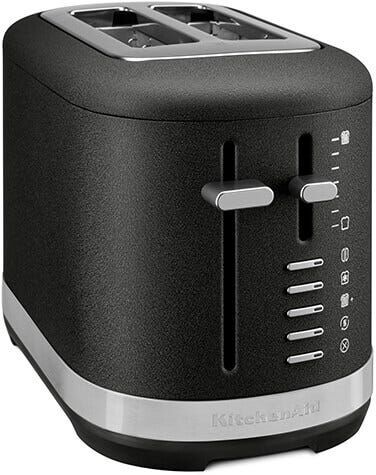
KitchenAid Artisan 5KMT2204BBK 2 Slice Toaster - Cast Iron BlackThe KitchenAid Artisan 2 Slot Toaster provides unmatched toasting performance thanks to its useful built-in functionality. The 'Auto Sensor' automatically lowers and lifts all types of toast before browning according to an LED timer which provides 7 grades of "golden", this handy feature will also help keep toast warm until you get back. Aside from having some great features the Artisan toaster is also incredibly stylish featuring a smooth, rounded exterior with an eye-catching cast iron black finish. There's also an identical 4 slot Artisan toaster available - perfect for large households. Product Features Cast Iron Black Removable crumb tray keeps worktops clean and tidy Durable die-cast aluminium construction for durabilty Extra-wide slots cater to different types of bread and pastries Auto-sensor with keep warm function for added convenience 7 shade setting with LED timer to help ensure perfect browning 4 toasting functions: Bagel, Frozen, Sandwich, Toast / Cancel Sandwich function with a sandwich rack for delicious toasties Includes a 5-year guarantee Other Information Model: 5KMT2204BBK Colour: Cast Iron Black Weight: 6kg Watts: 1250 kW Frequency: 50 / 60 Hz Voltage: 220 / 240V Number of slots: 2 LED Timer: Yes Auto Sensor: Yes Bagel Function: Yes Sandwich Rack Included: Yes Body Material: Aluminium Dimensions: H 22.5cm x W 18cm x D 33cm269,00 £*Shipping: 0,00 £Secure redirect to the provider
-
KitchenAid Breakfast Suite Cast Iron Black 2 Slice ToasterThe KitchenAid Breakfast Suite Cast Iron Black 2 Slice Toaster is constructed with metal housing and features a 2 wide 1.25 slots, perfect for thick sliced bread or bagels. The toaster features a high lift lever so your toast can be removed easily and has a removable crumb tray so that it can be cleaned with ease. The Cast Iron Black Toaster has a variable browning adjustment plus a bagel setting, defrost, reheat and a little longer for that extra bit of toasting. This Toaster comes with a 2 year KitchenAid guarantee.126,95 £*Shipping: 0,00 £Secure redirect to the provider
-
KitchenAid Artisan Kettle & 2 Slice Toaster Set - Cast Iron BlackEach item in the KitchenAid Artisan kettle and toaster set in cast iron black features a distinctive retro exterior featuring curved edges, elements and polished accents that are instantly attention-grabbing. Designed to make a statement each item in the set is equipped with the latest features and functionality for the modern kitchen. Choose from a selection of popular, best-selling colours. Product Features (Kettle) Colour: Onyx Black Model: 5KEK1522BBK Variable temperature lever from 50°C to 100°C Large 1.5-litre capacity is ideal for larger households Dual wall construction that reduces noise and keeps water hot for longer Temperature dial that works when removed from its base Full specifications and technical data - here Includes a 3-year guarantee Product Features (Toaster) Colour: Onyx Black Model: 5KMT2204BBK Includes 2 extra-wide slots for different types of bread 7 shade settings with an LED countdown timer for perfect results Sandwich rack and function for delicious toasted sandwiches Bagel function; toasters the inside while warming the outside Frozen function; gently defrosts and toasts frozen bread Full specifications and technical data - here Includes a 5-year guarantee449,95 £*Shipping: 0,00 £Secure redirect to the provider


-
Are trophic levels and trophic levels the same thing in biology?
No, "trophic levels" and "trophic levels" are not the same thing in biology. "Trophic levels" refer to the hierarchical levels in an ecosystem based on an organism's position in the food chain, such as producers, primary consumers, secondary consumers, and so on. On the other hand, "trophic levels" appears to be a typographical error or a repetition of the term "trophic levels." In biology, it is important to use accurate and specific terminology to avoid confusion and miscommunication. **
-
Why do organisms become larger from trophic level to trophic level?
Organisms become larger from trophic level to trophic level due to the efficiency of energy transfer in ecosystems. As energy is transferred from one trophic level to the next, there is a loss of energy in the form of heat and metabolic processes. Larger organisms are able to consume more energy-rich food sources and have a more efficient metabolism, allowing them to grow in size as they move up the food chain. Additionally, larger organisms are better equipped to capture and consume prey, giving them a competitive advantage in obtaining energy and resources. **
-
Why do organisms get larger from trophic level to trophic level?
Organisms tend to get larger from one trophic level to the next because as energy is transferred up the food chain, there is a loss of energy at each level. This means that organisms at higher trophic levels need to consume larger quantities of organisms from lower trophic levels to obtain enough energy to sustain themselves. Additionally, larger organisms are more efficient at capturing and consuming prey, allowing them to thrive at higher trophic levels. Finally, larger organisms have a lower surface area to volume ratio, which helps them retain heat and energy more effectively. **
-
Why does the biomass decrease from trophic level to trophic level?
Biomass decreases from trophic level to trophic level because energy is lost as it moves through the food chain. Organisms at each trophic level use some of the energy they consume for their own metabolic processes, such as respiration and movement, and the rest is lost as heat. This means that there is less energy available to be passed on to the next trophic level, resulting in a decrease in biomass. Additionally, not all of the energy from one trophic level is consumed by the next level, as some is lost through waste and uneaten parts of organisms. **

What are trophic levels in biology?
Trophic levels in biology refer to the hierarchical levels in an ecosystem where organisms are grouped based on their feeding relationships. The primary producers, such as plants, are at the base of the trophic levels as they convert sunlight into energy through photosynthesis. Herbivores that feed on plants are at the next level, followed by carnivores that eat herbivores. Each trophic level represents a transfer of energy and nutrients through the ecosystem, with energy decreasing as it moves up the levels. **
What is the trophic level of omnivores?
Omnivores are organisms that consume both plants and animals, so their trophic level can vary. When they consume plants, they are considered primary consumers (herbivores) and when they consume animals, they are considered secondary consumers (carnivores). This means that omnivores can occupy multiple trophic levels within a food web, depending on their diet. **
Top-Angebote
Products related to Trophic:
-
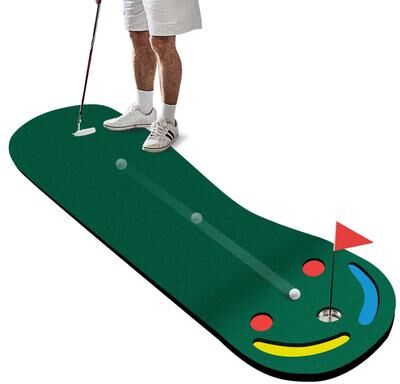
9.8 X 3FT Par 3 Holes Golf Putting Green Mat Set for Practice - 9.8 X 3FTAre you tired of struggling with your putting technique? This golf putting green will be the perfect solution for you! This foot shaped golf putting mat with a size of 9.8 ft x 3 ft is a thoughtful gift idea for golfing friends or family.73,77 $*Shipping: 0,00 $Secure redirect to the provider
-
KitchenAid Artisan 5KMT2204BBK 2 Slice Toaster - Cast Iron BlackThe KitchenAid Artisan 2 Slot Toaster provides unmatched toasting performance thanks to its useful built-in functionality. The 'Auto Sensor' automatically lowers and lifts all types of toast before browning according to an LED timer which provides 7 grades of "golden", this handy feature will also help keep toast warm until you get back. Aside from having some great features the Artisan toaster is also incredibly stylish featuring a smooth, rounded exterior with an eye-catching cast iron black finish. There's also an identical 4 slot Artisan toaster available - perfect for large households. Product Features Cast Iron Black Removable crumb tray keeps worktops clean and tidy Durable die-cast aluminium construction for durabilty Extra-wide slots cater to different types of bread and pastries Auto-sensor with keep warm function for added convenience 7 shade setting with LED timer to help ensure perfect browning 4 toasting functions: Bagel, Frozen, Sandwich, Toast / Cancel Sandwich function with a sandwich rack for delicious toasties Includes a 5-year guarantee Other Information Model: 5KMT2204BBK Colour: Cast Iron Black Weight: 6kg Watts: 1250 kW Frequency: 50 / 60 Hz Voltage: 220 / 240V Number of slots: 2 LED Timer: Yes Auto Sensor: Yes Bagel Function: Yes Sandwich Rack Included: Yes Body Material: Aluminium Dimensions: H 22.5cm x W 18cm x D 33cm269,00 £*Shipping: 0,00 £Secure redirect to the provider
-
What are trophic levels and trophic structures?
Trophic levels refer to the hierarchical levels in an ecosystem through which energy and nutrients flow. They represent the feeding positions of different organisms in a food chain or food web. Trophic structures, on the other hand, describe the organization of these trophic levels within an ecosystem. This includes the distribution of energy and nutrients among different organisms, as well as the interactions and relationships between them. Overall, trophic levels and trophic structures are important concepts for understanding the flow of energy and nutrients in ecosystems and the dynamics of food chains and food webs. **
-
Are trophic levels and trophic levels the same in biology?
No, trophic levels and trophic levels are not the same in biology. Trophic levels refer to the hierarchical levels in an ecosystem based on an organism's position in the food chain, such as producers, primary consumers, secondary consumers, etc. On the other hand, trophic cascades are the indirect effects that occur when a change in one trophic level impacts other trophic levels in the ecosystem. Both concepts are important in understanding the dynamics of energy flow and interactions within ecosystems. **
-
Are trophic levels and trophic levels the same thing in biology?
No, "trophic levels" and "trophic levels" are not the same thing in biology. "Trophic levels" refer to the hierarchical levels in an ecosystem based on an organism's position in the food chain, such as producers, primary consumers, secondary consumers, and so on. On the other hand, "trophic levels" appears to be a typographical error or a repetition of the term "trophic levels." In biology, it is important to use accurate and specific terminology to avoid confusion and miscommunication. **
-
Why do organisms become larger from trophic level to trophic level?
Organisms become larger from trophic level to trophic level due to the efficiency of energy transfer in ecosystems. As energy is transferred from one trophic level to the next, there is a loss of energy in the form of heat and metabolic processes. Larger organisms are able to consume more energy-rich food sources and have a more efficient metabolism, allowing them to grow in size as they move up the food chain. Additionally, larger organisms are better equipped to capture and consume prey, giving them a competitive advantage in obtaining energy and resources. **
Similar search terms for Trophic
-
KitchenAid Breakfast Suite Cast Iron Black 2 Slice ToasterThe KitchenAid Breakfast Suite Cast Iron Black 2 Slice Toaster is constructed with metal housing and features a 2 wide 1.25 slots, perfect for thick sliced bread or bagels. The toaster features a high lift lever so your toast can be removed easily and has a removable crumb tray so that it can be cleaned with ease. The Cast Iron Black Toaster has a variable browning adjustment plus a bagel setting, defrost, reheat and a little longer for that extra bit of toasting. This Toaster comes with a 2 year KitchenAid guarantee.126,95 £*Shipping: 0,00 £Secure redirect to the provider
-
KitchenAid Artisan Kettle & 2 Slice Toaster Set - Cast Iron BlackEach item in the KitchenAid Artisan kettle and toaster set in cast iron black features a distinctive retro exterior featuring curved edges, elements and polished accents that are instantly attention-grabbing. Designed to make a statement each item in the set is equipped with the latest features and functionality for the modern kitchen. Choose from a selection of popular, best-selling colours. Product Features (Kettle) Colour: Onyx Black Model: 5KEK1522BBK Variable temperature lever from 50°C to 100°C Large 1.5-litre capacity is ideal for larger households Dual wall construction that reduces noise and keeps water hot for longer Temperature dial that works when removed from its base Full specifications and technical data - here Includes a 3-year guarantee Product Features (Toaster) Colour: Onyx Black Model: 5KMT2204BBK Includes 2 extra-wide slots for different types of bread 7 shade settings with an LED countdown timer for perfect results Sandwich rack and function for delicious toasted sandwiches Bagel function; toasters the inside while warming the outside Frozen function; gently defrosts and toasts frozen bread Full specifications and technical data - here Includes a 5-year guarantee449,95 £*Shipping: 0,00 £Secure redirect to the provider
-
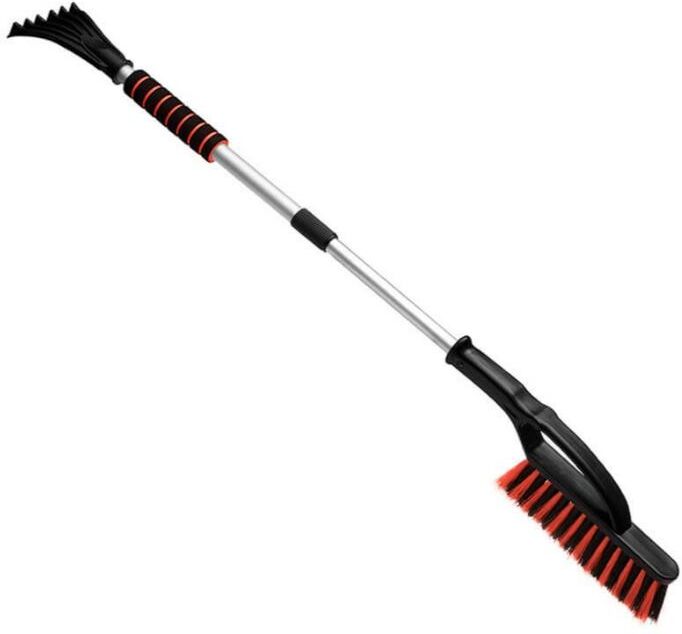
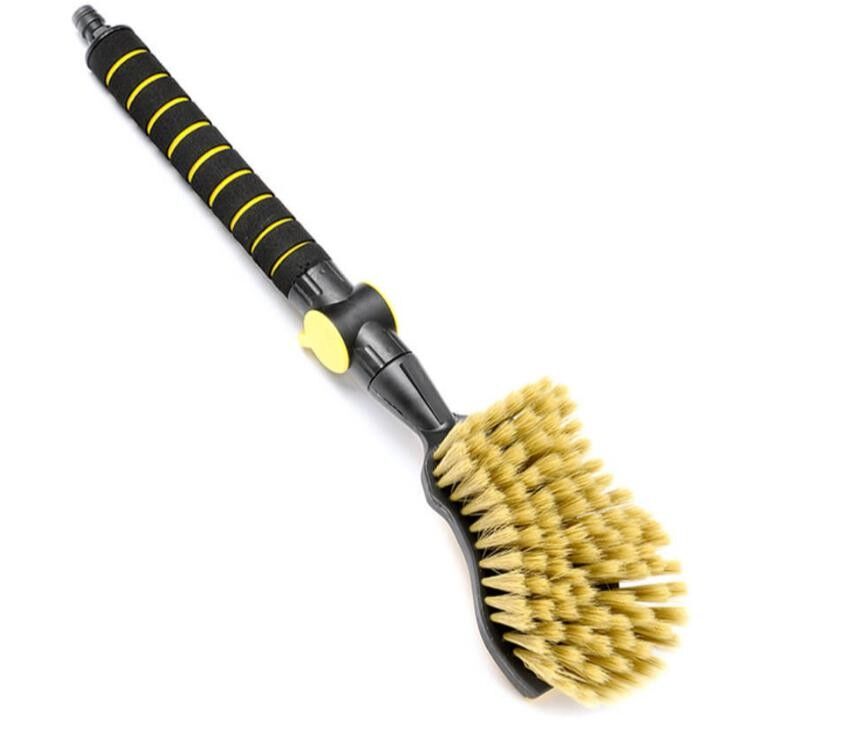
TOM PAR T9039 Washing brushLength [cm]: 54; Version: Premium; Vehicle Equipment Line/Trim Level: with water connector; Housing Colour: blue, black; Foldable/stretchable: Foldable; Quantity: 1; Features: long-handled, with hose connector, with handle4,99 £*Shipping: 8,45 £Secure redirect to the provider
-
Why do organisms get larger from trophic level to trophic level?
Organisms tend to get larger from one trophic level to the next because as energy is transferred up the food chain, there is a loss of energy at each level. This means that organisms at higher trophic levels need to consume larger quantities of organisms from lower trophic levels to obtain enough energy to sustain themselves. Additionally, larger organisms are more efficient at capturing and consuming prey, allowing them to thrive at higher trophic levels. Finally, larger organisms have a lower surface area to volume ratio, which helps them retain heat and energy more effectively. **
-
Why does the biomass decrease from trophic level to trophic level?
Biomass decreases from trophic level to trophic level because energy is lost as it moves through the food chain. Organisms at each trophic level use some of the energy they consume for their own metabolic processes, such as respiration and movement, and the rest is lost as heat. This means that there is less energy available to be passed on to the next trophic level, resulting in a decrease in biomass. Additionally, not all of the energy from one trophic level is consumed by the next level, as some is lost through waste and uneaten parts of organisms. **
-
What are trophic levels in biology?
Trophic levels in biology refer to the hierarchical levels in an ecosystem where organisms are grouped based on their feeding relationships. The primary producers, such as plants, are at the base of the trophic levels as they convert sunlight into energy through photosynthesis. Herbivores that feed on plants are at the next level, followed by carnivores that eat herbivores. Each trophic level represents a transfer of energy and nutrients through the ecosystem, with energy decreasing as it moves up the levels. **
-
What is the trophic level of omnivores?
Omnivores are organisms that consume both plants and animals, so their trophic level can vary. When they consume plants, they are considered primary consumers (herbivores) and when they consume animals, they are considered secondary consumers (carnivores). This means that omnivores can occupy multiple trophic levels within a food web, depending on their diet. **
* All prices are inclusive of VAT and, if applicable, plus shipping costs. The offer information is based on the details provided by the respective shop and is updated through automated processes. Real-time updates do not occur, so deviations can occur in individual cases. ** Note: Parts of this content were created by AI.