Buy onegolf.eu ?
We are moving the project
onegolf.eu .
Are you interested in purchasing the domain
onegolf.eu ?
domain@kv-gmbh.de · 0541-91531010
Buy onegolf.eu ?
How does oxygen react with iron to form iron(II) oxide?
When oxygen reacts with iron, a chemical reaction occurs in which the oxygen atoms combine with the iron atoms to form iron(II) oxide. This reaction is a type of oxidation reaction, in which the iron atoms lose electrons to the oxygen atoms. The iron(II) oxide is formed as a result of the combination of the iron and oxygen atoms, and the resulting compound has the chemical formula FeO. This reaction is commonly known as rusting, and it occurs when iron is exposed to oxygen and moisture over time. **
Should bromine solution and iron(II) ions react?
No, bromine solution and iron(II) ions should not react spontaneously. Iron(II) ions are not strong enough reducing agents to reduce bromine to bromide ions. In order for a reaction to occur between bromine solution and iron(II) ions, an external source of energy or a catalyst would be needed to drive the reaction. **

Similar search terms for React
Top-Angebote
Products related to React:


-
How does iron react with dilute hydrochloric acid?
Iron reacts with dilute hydrochloric acid to form iron(II) chloride and hydrogen gas. The reaction can be represented by the chemical equation: Fe(s) + 2HCl(aq) → FeCl2(aq) + H2(g). This reaction is a single displacement reaction where iron displaces hydrogen from hydrochloric acid to form iron chloride and hydrogen gas. The iron chloride formed is a greenish solution. **
-
Why does iron react with magnesium chloride solution?
Iron reacts with magnesium chloride solution because iron is more reactive than magnesium. When iron is added to magnesium chloride solution, the iron displaces the magnesium from the chloride ions, forming iron chloride and releasing magnesium. This is a single displacement reaction, where the more reactive metal (iron) replaces the less reactive metal (magnesium) in the compound. **
-
Why does copper not react with iron chloride?
Copper does not react with iron chloride because copper is less reactive than iron. In a chemical reaction, a more reactive metal will displace a less reactive metal from its compound. Since copper is less reactive than iron, it cannot displace iron from iron chloride. Therefore, no reaction occurs between copper and iron chloride. **
-
How does iron react with silver chloride solution?
When iron is added to a silver chloride solution, a displacement reaction occurs. The iron will displace the silver from the chloride ions, forming iron chloride and releasing silver metal. The balanced chemical equation for this reaction is: 2Fe(s) + 3AgCl(aq) → 2FeCl3(aq) + 3Ag(s) This reaction demonstrates the reactivity of iron, which is more reactive than silver, and its ability to displace less reactive metals from their compounds. **


How does iron react in copper chloride or copper in iron chloride?
When iron is added to copper chloride, a single displacement reaction occurs where the iron displaces the copper in the compound, forming iron chloride and copper. The iron atoms lose electrons to form Fe2+ ions, while the copper ions gain electrons to form Cu atoms. On the other hand, when copper is added to iron chloride, a similar single displacement reaction occurs where the copper displaces the iron in the compound, forming copper chloride and iron. In this reaction, the copper atoms lose electrons to form Cu2+ ions, while the iron ions gain electrons to form Fe atoms. **
How does iron react with oxygen to form Fe2O3?
Iron reacts with oxygen to form iron(III) oxide, also known as ferric oxide or Fe2O3. This reaction occurs when iron is exposed to oxygen in the presence of moisture, such as in the atmosphere. The iron atoms undergo oxidation, losing electrons to the oxygen atoms, resulting in the formation of iron(III) ions (Fe3+) and oxide ions (O2-). These ions then combine to form the solid compound Fe2O3. This reaction is a type of redox reaction, where iron is oxidized and oxygen is reduced. **
Top-Angebote
Products related to React:
-
9.8 X 3FT Par 3 Holes Golf Putting Green Mat Set for Practice - 9.8 X 3FTAre you tired of struggling with your putting technique? This golf putting green will be the perfect solution for you! This foot shaped golf putting mat with a size of 9.8 ft x 3 ft is a thoughtful gift idea for golfing friends or family.73,77 $*Shipping: 0,00 $Secure redirect to the provider
-
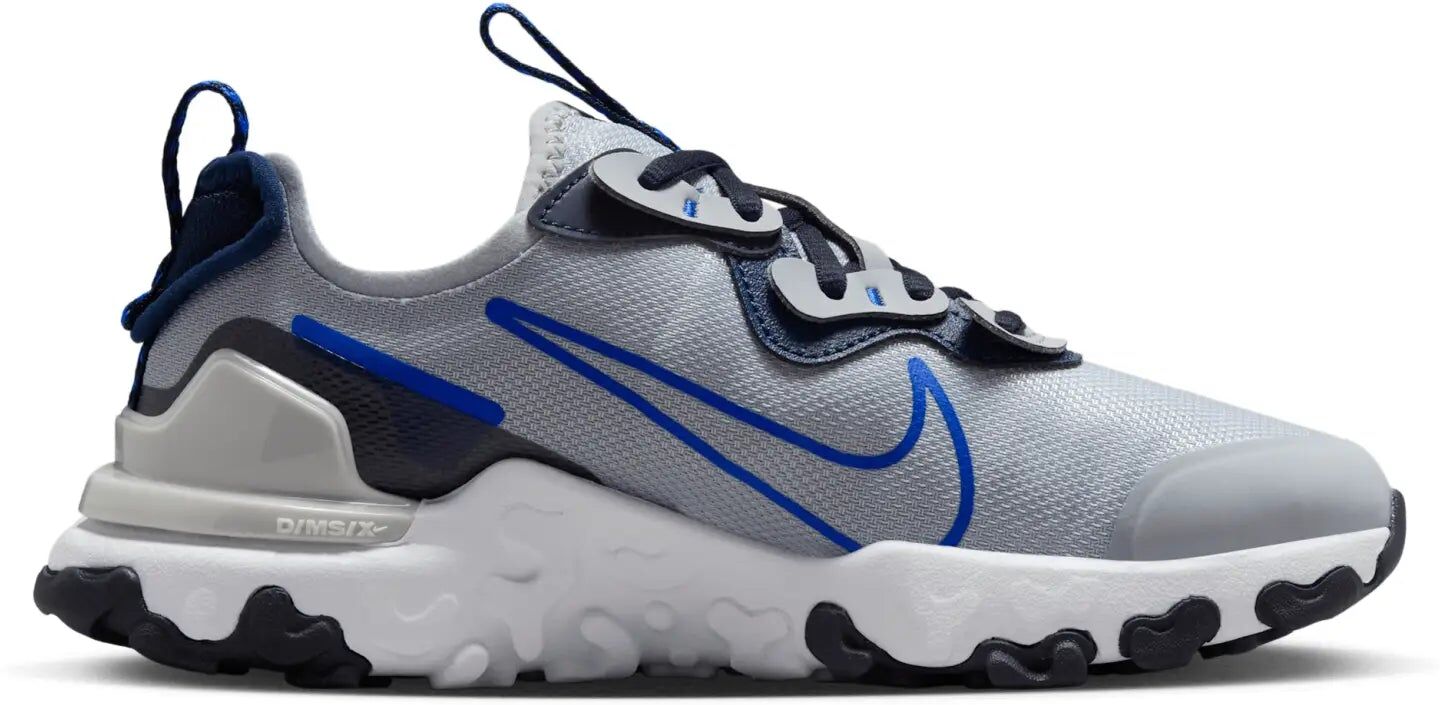
Nike React Vision Unisex Shoes – Grey – Size 4.5Overview The Nike React Vision delivers lightweight comfort, bold styling and ultra-responsive cushioning in a unisex design suitable for everyday wear. Featuring Nike React foam, a breathable mesh upper and sculpted detailing, these trainers combine futuristic aesthetics with all-day comfort. Key Features Soft and responsive Nike React foam for lightweight cushioning Breathable mesh upper for improved airflow and comfort Padded tongue and heel clip for added stability and support Durable rubber outsole for reliable everyday traction Unique layered design inspired by D/MS/X style innovation Unisex fit suitable for both men and women Grey colourway offering a clean, modern, versatile look Benefits The Nike React Vision is perfect for anyone seeking exceptional comfort without compromising style. The React foam ensures smooth, cushioned steps throughout the day, while the breathable mesh upper keeps feet cool. Its distinctive design makes it ideal for lifestyle outfits, giving you comfort, stability and style in one unique sneaker. Specifications Specification Details Model Nike React Vision EAN / Barcode [Ean] Size UK 4.5 Upper Material Breathable mesh with layered synthetic details Midsole Nike React foam Outsole Rubber with traction pattern Fit True-to-size unisex fit Colour Grey Performance Type Lifestyle / casual wear Perfect for everyday wearers, sneaker fans, commuters and anyone who wants a stylish, cushioned and breathable trainer. Ideal for casual outfits, long days on your feet, commuting and modern lifestyle fashion.86,99 £*Shipping: 0,00 £Secure redirect to the provider
-
How does oxygen react with iron to form iron(II) oxide?
When oxygen reacts with iron, a chemical reaction occurs in which the oxygen atoms combine with the iron atoms to form iron(II) oxide. This reaction is a type of oxidation reaction, in which the iron atoms lose electrons to the oxygen atoms. The iron(II) oxide is formed as a result of the combination of the iron and oxygen atoms, and the resulting compound has the chemical formula FeO. This reaction is commonly known as rusting, and it occurs when iron is exposed to oxygen and moisture over time. **
-
Should bromine solution and iron(II) ions react?
No, bromine solution and iron(II) ions should not react spontaneously. Iron(II) ions are not strong enough reducing agents to reduce bromine to bromide ions. In order for a reaction to occur between bromine solution and iron(II) ions, an external source of energy or a catalyst would be needed to drive the reaction. **
-
How does iron react with dilute hydrochloric acid?
Iron reacts with dilute hydrochloric acid to form iron(II) chloride and hydrogen gas. The reaction can be represented by the chemical equation: Fe(s) + 2HCl(aq) → FeCl2(aq) + H2(g). This reaction is a single displacement reaction where iron displaces hydrogen from hydrochloric acid to form iron chloride and hydrogen gas. The iron chloride formed is a greenish solution. **
-
Why does iron react with magnesium chloride solution?
Iron reacts with magnesium chloride solution because iron is more reactive than magnesium. When iron is added to magnesium chloride solution, the iron displaces the magnesium from the chloride ions, forming iron chloride and releasing magnesium. This is a single displacement reaction, where the more reactive metal (iron) replaces the less reactive metal (magnesium) in the compound. **
Similar search terms for React
-
Why does copper not react with iron chloride?
Copper does not react with iron chloride because copper is less reactive than iron. In a chemical reaction, a more reactive metal will displace a less reactive metal from its compound. Since copper is less reactive than iron, it cannot displace iron from iron chloride. Therefore, no reaction occurs between copper and iron chloride. **
-
How does iron react with silver chloride solution?
When iron is added to a silver chloride solution, a displacement reaction occurs. The iron will displace the silver from the chloride ions, forming iron chloride and releasing silver metal. The balanced chemical equation for this reaction is: 2Fe(s) + 3AgCl(aq) → 2FeCl3(aq) + 3Ag(s) This reaction demonstrates the reactivity of iron, which is more reactive than silver, and its ability to displace less reactive metals from their compounds. **
-
How does iron react in copper chloride or copper in iron chloride?
When iron is added to copper chloride, a single displacement reaction occurs where the iron displaces the copper in the compound, forming iron chloride and copper. The iron atoms lose electrons to form Fe2+ ions, while the copper ions gain electrons to form Cu atoms. On the other hand, when copper is added to iron chloride, a similar single displacement reaction occurs where the copper displaces the iron in the compound, forming copper chloride and iron. In this reaction, the copper atoms lose electrons to form Cu2+ ions, while the iron ions gain electrons to form Fe atoms. **
-
How does iron react with oxygen to form Fe2O3?
Iron reacts with oxygen to form iron(III) oxide, also known as ferric oxide or Fe2O3. This reaction occurs when iron is exposed to oxygen in the presence of moisture, such as in the atmosphere. The iron atoms undergo oxidation, losing electrons to the oxygen atoms, resulting in the formation of iron(III) ions (Fe3+) and oxide ions (O2-). These ions then combine to form the solid compound Fe2O3. This reaction is a type of redox reaction, where iron is oxidized and oxygen is reduced. **
* All prices are inclusive of VAT and, if applicable, plus shipping costs. The offer information is based on the details provided by the respective shop and is updated through automated processes. Real-time updates do not occur, so deviations can occur in individual cases. ** Note: Parts of this content were created by AI.