Buy onegolf.eu ?
We are moving the project
onegolf.eu .
Are you interested in purchasing the domain
onegolf.eu ?
domain@kv-gmbh.de · 0541-91531010
Buy onegolf.eu ?
What distinguishes conditional probability from independent probability?
Conditional probability is the probability of an event occurring given that another event has already occurred. It takes into account the information about the occurrence of one event when calculating the probability of another event. Independent probability, on the other hand, is the probability of one event occurring without any influence from the occurrence of another event. In other words, conditional probability is influenced by the occurrence of a specific event, while independent probability is not influenced by any other event. **
What is a probability space in probability theory?
A probability space in probability theory consists of three components: a sample space, an event space, and a probability measure. The sample space is the set of all possible outcomes of an experiment, the event space is a collection of subsets of the sample space representing different events, and the probability measure assigns a probability to each event in the event space. Together, these components define the mathematical framework for analyzing the likelihood of different outcomes in a probabilistic setting. **


Similar search terms for Probability
Top-Angebote
Products related to Probability:
-
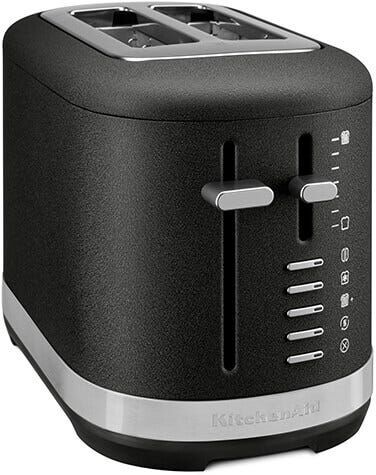
KitchenAid Artisan 5KMT2204BBK 2 Slice Toaster - Cast Iron BlackThe KitchenAid Artisan 2 Slot Toaster provides unmatched toasting performance thanks to its useful built-in functionality. The 'Auto Sensor' automatically lowers and lifts all types of toast before browning according to an LED timer which provides 7 grades of "golden", this handy feature will also help keep toast warm until you get back. Aside from having some great features the Artisan toaster is also incredibly stylish featuring a smooth, rounded exterior with an eye-catching cast iron black finish. There's also an identical 4 slot Artisan toaster available - perfect for large households. Product Features Cast Iron Black Removable crumb tray keeps worktops clean and tidy Durable die-cast aluminium construction for durabilty Extra-wide slots cater to different types of bread and pastries Auto-sensor with keep warm function for added convenience 7 shade setting with LED timer to help ensure perfect browning 4 toasting functions: Bagel, Frozen, Sandwich, Toast / Cancel Sandwich function with a sandwich rack for delicious toasties Includes a 5-year guarantee Other Information Model: 5KMT2204BBK Colour: Cast Iron Black Weight: 6kg Watts: 1250 kW Frequency: 50 / 60 Hz Voltage: 220 / 240V Number of slots: 2 LED Timer: Yes Auto Sensor: Yes Bagel Function: Yes Sandwich Rack Included: Yes Body Material: Aluminium Dimensions: H 22.5cm x W 18cm x D 33cm269,00 £*Shipping: 0,00 £Secure redirect to the provider
-
KitchenAid Breakfast Suite Cast Iron Black 2 Slice ToasterThe KitchenAid Breakfast Suite Cast Iron Black 2 Slice Toaster is constructed with metal housing and features a 2 wide 1.25 slots, perfect for thick sliced bread or bagels. The toaster features a high lift lever so your toast can be removed easily and has a removable crumb tray so that it can be cleaned with ease. The Cast Iron Black Toaster has a variable browning adjustment plus a bagel setting, defrost, reheat and a little longer for that extra bit of toasting. This Toaster comes with a 2 year KitchenAid guarantee.126,95 £*Shipping: 0,00 £Secure redirect to the provider



-
What are the rules of probability in probability theory?
In probability theory, the rules of probability govern how probabilities are calculated and combined. The rules include the addition rule, which states that the probability of either of two mutually exclusive events occurring is the sum of their individual probabilities. The multiplication rule is used to calculate the probability of two independent events both occurring. Additionally, the complement rule states that the probability of an event not occurring is 1 minus the probability of the event occurring. These rules are fundamental in determining the likelihood of different outcomes in various situations. **
-
How do you correctly calculate probability in probability theory?
In probability theory, the probability of an event occurring is calculated by dividing the number of favorable outcomes by the total number of possible outcomes. This can be represented as P(A) = (Number of favorable outcomes) / (Total number of possible outcomes). It is important to ensure that all possible outcomes are accounted for and that the favorable outcomes are correctly identified. Additionally, the probability of multiple events occurring can be calculated using the multiplication rule for independent events or the addition rule for mutually exclusive events. **
-
What is the probability in percent in probability theory?
In probability theory, the probability of an event is a measure of the likelihood that the event will occur. It is usually expressed as a number between 0 and 1, or as a percentage between 0% and 100%. A probability of 0% means the event is impossible, while a probability of 100% means the event is certain to occur. The probability of an event can be calculated using various methods, such as counting outcomes, using probability distributions, or applying statistical techniques. **
-
With what probability?
With what probability? The probability of an event occurring is a measure of how likely it is to happen, expressed as a number between 0 and 1. The probability of an event that is certain to happen is 1, while the probability of an event that is impossible is 0. Probabilities between 0 and 1 indicate the likelihood of an event occurring, with higher probabilities indicating a greater likelihood. **


What is the expected value and probability in probability theory?
In probability theory, the expected value is a measure of the central tendency of a random variable. It represents the average value of a random variable over a large number of trials. The expected value is calculated by multiplying each possible outcome by its probability and then summing up these products. Probability, on the other hand, is a measure of the likelihood of a particular event or outcome occurring. It represents the ratio of the number of favorable outcomes to the total number of possible outcomes. Probability theory is used to analyze and predict the likelihood of different outcomes in various situations. **
What is the probability of a die in probability theory?
In probability theory, the probability of a die refers to the likelihood of a specific outcome occurring when rolling a fair six-sided die. Since there are six possible outcomes (numbers 1 through 6) and each outcome has an equal chance of occurring, the probability of rolling any specific number is 1/6 or approximately 16.67%. This means that when rolling a fair die, the probability of rolling any particular number is 1 out of 6. **
Top-Angebote
Products related to Probability:
-
9.8 X 3FT Par 3 Holes Golf Putting Green Mat Set for Practice - 9.8 X 3FTAre you tired of struggling with your putting technique? This golf putting green will be the perfect solution for you! This foot shaped golf putting mat with a size of 9.8 ft x 3 ft is a thoughtful gift idea for golfing friends or family.76,13 $*Shipping: 0,00 $Secure redirect to the provider
-
KitchenAid Artisan 5KMT2204BBK 2 Slice Toaster - Cast Iron BlackThe KitchenAid Artisan 2 Slot Toaster provides unmatched toasting performance thanks to its useful built-in functionality. The 'Auto Sensor' automatically lowers and lifts all types of toast before browning according to an LED timer which provides 7 grades of "golden", this handy feature will also help keep toast warm until you get back. Aside from having some great features the Artisan toaster is also incredibly stylish featuring a smooth, rounded exterior with an eye-catching cast iron black finish. There's also an identical 4 slot Artisan toaster available - perfect for large households. Product Features Cast Iron Black Removable crumb tray keeps worktops clean and tidy Durable die-cast aluminium construction for durabilty Extra-wide slots cater to different types of bread and pastries Auto-sensor with keep warm function for added convenience 7 shade setting with LED timer to help ensure perfect browning 4 toasting functions: Bagel, Frozen, Sandwich, Toast / Cancel Sandwich function with a sandwich rack for delicious toasties Includes a 5-year guarantee Other Information Model: 5KMT2204BBK Colour: Cast Iron Black Weight: 6kg Watts: 1250 kW Frequency: 50 / 60 Hz Voltage: 220 / 240V Number of slots: 2 LED Timer: Yes Auto Sensor: Yes Bagel Function: Yes Sandwich Rack Included: Yes Body Material: Aluminium Dimensions: H 22.5cm x W 18cm x D 33cm269,00 £*Shipping: 0,00 £Secure redirect to the provider
-
KitchenAid Breakfast Suite Cast Iron Black 2 Slice ToasterThe KitchenAid Breakfast Suite Cast Iron Black 2 Slice Toaster is constructed with metal housing and features a 2 wide 1.25 slots, perfect for thick sliced bread or bagels. The toaster features a high lift lever so your toast can be removed easily and has a removable crumb tray so that it can be cleaned with ease. The Cast Iron Black Toaster has a variable browning adjustment plus a bagel setting, defrost, reheat and a little longer for that extra bit of toasting. This Toaster comes with a 2 year KitchenAid guarantee.126,95 £*Shipping: 0,00 £Secure redirect to the provider
-
What distinguishes conditional probability from independent probability?
Conditional probability is the probability of an event occurring given that another event has already occurred. It takes into account the information about the occurrence of one event when calculating the probability of another event. Independent probability, on the other hand, is the probability of one event occurring without any influence from the occurrence of another event. In other words, conditional probability is influenced by the occurrence of a specific event, while independent probability is not influenced by any other event. **
-
What is a probability space in probability theory?
A probability space in probability theory consists of three components: a sample space, an event space, and a probability measure. The sample space is the set of all possible outcomes of an experiment, the event space is a collection of subsets of the sample space representing different events, and the probability measure assigns a probability to each event in the event space. Together, these components define the mathematical framework for analyzing the likelihood of different outcomes in a probabilistic setting. **
-
What are the rules of probability in probability theory?
In probability theory, the rules of probability govern how probabilities are calculated and combined. The rules include the addition rule, which states that the probability of either of two mutually exclusive events occurring is the sum of their individual probabilities. The multiplication rule is used to calculate the probability of two independent events both occurring. Additionally, the complement rule states that the probability of an event not occurring is 1 minus the probability of the event occurring. These rules are fundamental in determining the likelihood of different outcomes in various situations. **
-
How do you correctly calculate probability in probability theory?
In probability theory, the probability of an event occurring is calculated by dividing the number of favorable outcomes by the total number of possible outcomes. This can be represented as P(A) = (Number of favorable outcomes) / (Total number of possible outcomes). It is important to ensure that all possible outcomes are accounted for and that the favorable outcomes are correctly identified. Additionally, the probability of multiple events occurring can be calculated using the multiplication rule for independent events or the addition rule for mutually exclusive events. **
Similar search terms for Probability
-
KitchenAid Artisan Kettle & 2 Slice Toaster Set - Cast Iron BlackEach item in the KitchenAid Artisan kettle and toaster set in cast iron black features a distinctive retro exterior featuring curved edges, elements and polished accents that are instantly attention-grabbing. Designed to make a statement each item in the set is equipped with the latest features and functionality for the modern kitchen. Choose from a selection of popular, best-selling colours. Product Features (Kettle) Colour: Onyx Black Model: 5KEK1522BBK Variable temperature lever from 50°C to 100°C Large 1.5-litre capacity is ideal for larger households Dual wall construction that reduces noise and keeps water hot for longer Temperature dial that works when removed from its base Full specifications and technical data - here Includes a 3-year guarantee Product Features (Toaster) Colour: Onyx Black Model: 5KMT2204BBK Includes 2 extra-wide slots for different types of bread 7 shade settings with an LED countdown timer for perfect results Sandwich rack and function for delicious toasted sandwiches Bagel function; toasters the inside while warming the outside Frozen function; gently defrosts and toasts frozen bread Full specifications and technical data - here Includes a 5-year guarantee449,95 £*Shipping: 0,00 £Secure redirect to the provider
-
Amnesia: The Bunker Steam Game Key GLOBALAmnesia: The Bunker is a first-person survival horror game developed by Frictional Games, the creators of the acclaimed Amnesia and SOMA series. It distinguishes itself within the series with several key features: Setting and Story: World War I Setting: Unlike previous entries, The Bunker is set in a desolate World War I bunker in 1916 France. New Protagonist: Players control Henri Clément, a French soldier suffering from amnesia after a traumatic event. Trapped and Hu nted: Henri finds himself trapped within the bunker, stalked by a mysterious, deadly creature. Gameplay Focus: Open-Ended Survival Horror: The game emphasizes emergent gameplay and player agency, offering more freedom in how you approach survival. Limited Resources: Resources are scarce, forcing players to make strategic decisions about how to use them. Dynamic and Unscripted Threat: The creature hunting you is an ever-present and unpredictable threat, driven by AI and reacting to your actions. Environmental Interaction: Players can utilize the environment to their advantage, using objects for distractions, creating light sources, and finding alternative routes. Crafting and Improvisation: A crafting system allows players to create tools and items to aid in survival. Maintaining Power: A key gameplay element involves managing the bunker's power supply using a noisy generator, which can attract the creature if not used carefully. Key Features and Differences from Previous Amnesia Games: More Active Gameplay: Unlike the mostly defenseless protagonists of previous games, Henri has access to a revolver and other tools for self-defense, though ammo is extremely limited. Increased Player Agency: The game emphas izes player choice and improvisation, with more open-ended levels and multiple ways to solve problems. Persistent Threat: The creature is a constant and dynamic threat, unlike the scripted encounters of previous games. Overall: Amnesia: The Bunker offers a tense and terrifying survival horror experience with a focus on emergent gameplay, player agency, and a persistent, unpredictable threat. It retains the series' signature atmosphere and psychological horror elements while introducing new gameplay mechanics and a unique setting.3,12 £*Shipping: 0,00 £Secure redirect to the provider
-
What is the probability in percent in probability theory?
In probability theory, the probability of an event is a measure of the likelihood that the event will occur. It is usually expressed as a number between 0 and 1, or as a percentage between 0% and 100%. A probability of 0% means the event is impossible, while a probability of 100% means the event is certain to occur. The probability of an event can be calculated using various methods, such as counting outcomes, using probability distributions, or applying statistical techniques. **
-
With what probability?
With what probability? The probability of an event occurring is a measure of how likely it is to happen, expressed as a number between 0 and 1. The probability of an event that is certain to happen is 1, while the probability of an event that is impossible is 0. Probabilities between 0 and 1 indicate the likelihood of an event occurring, with higher probabilities indicating a greater likelihood. **
-
What is the expected value and probability in probability theory?
In probability theory, the expected value is a measure of the central tendency of a random variable. It represents the average value of a random variable over a large number of trials. The expected value is calculated by multiplying each possible outcome by its probability and then summing up these products. Probability, on the other hand, is a measure of the likelihood of a particular event or outcome occurring. It represents the ratio of the number of favorable outcomes to the total number of possible outcomes. Probability theory is used to analyze and predict the likelihood of different outcomes in various situations. **
-
What is the probability of a die in probability theory?
In probability theory, the probability of a die refers to the likelihood of a specific outcome occurring when rolling a fair six-sided die. Since there are six possible outcomes (numbers 1 through 6) and each outcome has an equal chance of occurring, the probability of rolling any specific number is 1/6 or approximately 16.67%. This means that when rolling a fair die, the probability of rolling any particular number is 1 out of 6. **
* All prices are inclusive of VAT and, if applicable, plus shipping costs. The offer information is based on the details provided by the respective shop and is updated through automated processes. Real-time updates do not occur, so deviations can occur in individual cases. ** Note: Parts of this content were created by AI.