Buy onegolf.eu ?
We are moving the project
onegolf.eu .
Are you interested in purchasing the domain
onegolf.eu ?
domain@kv-gmbh.de · 0541-91531010
Buy onegolf.eu ?
Why doesn't the Minecraft Flan Mod work?
The Minecraft Flan Mod may not work for a few reasons. One common issue is that the mod may not be compatible with the version of Minecraft you are using. Make sure to check if the mod is compatible with your version of the game. Additionally, conflicts with other mods or incorrect installation can also cause the Flan Mod to not work properly. It's important to carefully follow the installation instructions and ensure that there are no conflicts with other mods. Finally, if the mod is outdated or not regularly updated, it may not work with the current version of Minecraft. **
Why can't one obtain aluminum from aluminum oxide and iron?
One cannot obtain aluminum from aluminum oxide and iron because aluminum is more reactive than iron. When aluminum oxide and iron are heated together, the aluminum oxide will react with the iron to form aluminum and iron oxide. However, the aluminum formed will immediately react with the oxygen in the air to form aluminum oxide again, preventing the extraction of pure aluminum. Therefore, a different method, such as the electrolysis of aluminum oxide, is used to obtain aluminum from its ore. **
Similar search terms for IMUSA-8in-Aluminum-Flan
Top-Angebote
Products related to IMUSA-8in-Aluminum-Flan:
-
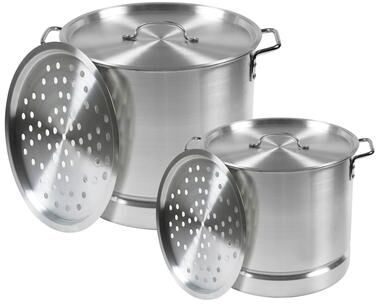
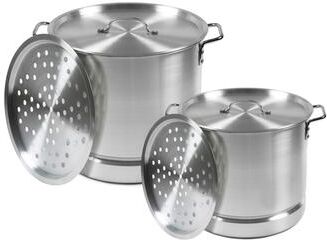
IMUSA 28 Quart Aluminum Steamer and 10 Quart SteamerThe IMUSA 32Qt and 10Qt Aluminum Steamer Set is an essential piece in every kitchen. This steamer is made of aluminum with a natural interior finish and polished exterior. This IMUSA cookware set has capacities of 32 and 10 quarts.69,99 $*Shipping: 0,00 $Secure redirect to the provider
-
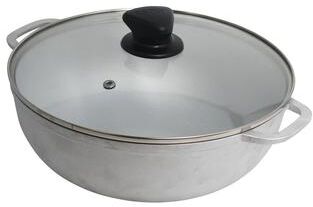
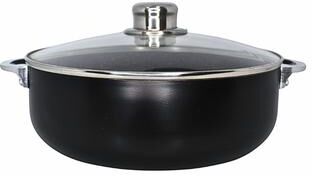
IMUSA Bistro-Cera Aluminum Speckled Black Ceramic Caldero with Glass Lid, BlackThe IMUSA Premier Ceramic Caldero is a versatile cooking pot crafted from lightweight yet durable aluminum. Its sleek design features a black speckled Ceramic coating on the inside and a matte black exterior body, offering an elegant yet practical...33,49 $*Shipping: 0,00 $Secure redirect to the provider

-
Why does iron and aluminum not rust?
Iron and aluminum do not rust because they have a protective oxide layer on their surface. This oxide layer acts as a barrier, preventing oxygen and moisture from reaching the underlying metal and causing corrosion. In the case of aluminum, the oxide layer is particularly effective at preventing further oxidation. Additionally, both iron and aluminum can be further protected from rusting by applying coatings or treatments that enhance their resistance to corrosion. **
-
Why does iron rust and aluminum does not?
Iron rusts because it is a reactive metal that readily reacts with oxygen in the presence of moisture to form iron oxide, or rust. Aluminum, on the other hand, does not rust because it forms a protective oxide layer on its surface when exposed to oxygen. This oxide layer acts as a barrier, preventing further oxidation and corrosion of the metal. Additionally, aluminum is more resistant to corrosion due to its natural passivation process, which makes it less reactive with oxygen compared to iron. **
-
How do you separate iron, copper, and aluminum?
Iron, copper, and aluminum can be separated using a variety of methods. One common method is through a process called magnetic separation, where a magnet is used to attract and separate the iron from the other metals. Another method is through a process called flotation, where the different metals are separated based on their density and ability to float on a liquid. Additionally, chemical processes such as electrolysis can be used to separate copper and aluminum based on their chemical properties. Each of these methods allows for the effective separation of iron, copper, and aluminum for recycling or other purposes. **
-
Is iron more susceptible than aluminum and copper?
Iron is more susceptible to corrosion than aluminum and copper. This is because iron is more reactive and prone to oxidation, leading to the formation of rust. Aluminum and copper, on the other hand, have natural oxide layers that protect them from further corrosion. Additionally, aluminum and copper have better resistance to acidic and saltwater environments compared to iron. Therefore, in terms of susceptibility to corrosion, iron is more vulnerable than aluminum and copper. **

What is the comparison between iron and aluminum?
Iron and aluminum are both metals, but they have different properties. Iron is denser and stronger than aluminum, making it a popular choice for structural applications such as in buildings and bridges. On the other hand, aluminum is lighter and more resistant to corrosion, making it a common material for aerospace and transportation industries. Additionally, aluminum is more malleable and can be easily shaped, while iron is more brittle and prone to rusting. **
Is it possible for iron to reduce aluminum oxide?
Yes, it is possible for iron to reduce aluminum oxide. This can occur through a process called a thermite reaction, in which a mixture of aluminum oxide and iron oxide is ignited, resulting in the reduction of the aluminum oxide to produce aluminum metal and iron oxide. This reaction is highly exothermic and is often used in industrial applications to weld or join metal parts. **
Top-Angebote
Products related to IMUSA-8in-Aluminum-Flan:
-
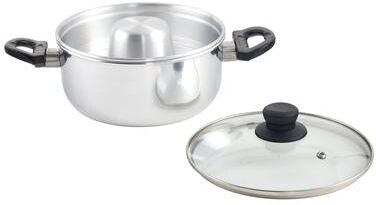
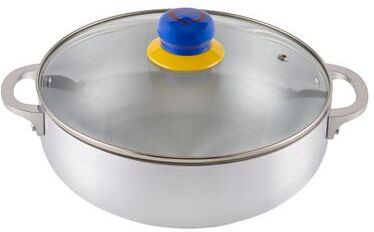
IMUSA 8in Aluminum Flan Double Boiler/Bano MariaThe IMUSA 3Qt Flan Double Boiler will elevate your dessert game as it’s a culinary essential for crafting the perfect flan or custard. Made from aluminum, this flan double boiler ensures even heat distribution for precise and smooth cooking results.39,49 $*Shipping: 0,00 $Secure redirect to the provider
-
IMUSA 28 Quart Aluminum Steamer and 10 Quart SteamerThe IMUSA 32Qt and 10Qt Aluminum Steamer Set is an essential piece in every kitchen. This steamer is made of aluminum with a natural interior finish and polished exterior. This IMUSA cookware set has capacities of 32 and 10 quarts.69,99 $*Shipping: 0,00 $Secure redirect to the provider
-
Why doesn't the Minecraft Flan Mod work?
The Minecraft Flan Mod may not work for a few reasons. One common issue is that the mod may not be compatible with the version of Minecraft you are using. Make sure to check if the mod is compatible with your version of the game. Additionally, conflicts with other mods or incorrect installation can also cause the Flan Mod to not work properly. It's important to carefully follow the installation instructions and ensure that there are no conflicts with other mods. Finally, if the mod is outdated or not regularly updated, it may not work with the current version of Minecraft. **
-
Why can't one obtain aluminum from aluminum oxide and iron?
One cannot obtain aluminum from aluminum oxide and iron because aluminum is more reactive than iron. When aluminum oxide and iron are heated together, the aluminum oxide will react with the iron to form aluminum and iron oxide. However, the aluminum formed will immediately react with the oxygen in the air to form aluminum oxide again, preventing the extraction of pure aluminum. Therefore, a different method, such as the electrolysis of aluminum oxide, is used to obtain aluminum from its ore. **
-
Why does iron and aluminum not rust?
Iron and aluminum do not rust because they have a protective oxide layer on their surface. This oxide layer acts as a barrier, preventing oxygen and moisture from reaching the underlying metal and causing corrosion. In the case of aluminum, the oxide layer is particularly effective at preventing further oxidation. Additionally, both iron and aluminum can be further protected from rusting by applying coatings or treatments that enhance their resistance to corrosion. **
-
Why does iron rust and aluminum does not?
Iron rusts because it is a reactive metal that readily reacts with oxygen in the presence of moisture to form iron oxide, or rust. Aluminum, on the other hand, does not rust because it forms a protective oxide layer on its surface when exposed to oxygen. This oxide layer acts as a barrier, preventing further oxidation and corrosion of the metal. Additionally, aluminum is more resistant to corrosion due to its natural passivation process, which makes it less reactive with oxygen compared to iron. **
Similar search terms for IMUSA-8in-Aluminum-Flan
-
IMUSA Bistro-Cera Aluminum Speckled Black Ceramic Caldero with Glass Lid, BlackThe IMUSA Premier Ceramic Caldero is a versatile cooking pot crafted from lightweight yet durable aluminum. Its sleek design features a black speckled Ceramic coating on the inside and a matte black exterior body, offering an elegant yet practical...33,49 $*Shipping: 0,00 $Secure redirect to the provider
-
How do you separate iron, copper, and aluminum?
Iron, copper, and aluminum can be separated using a variety of methods. One common method is through a process called magnetic separation, where a magnet is used to attract and separate the iron from the other metals. Another method is through a process called flotation, where the different metals are separated based on their density and ability to float on a liquid. Additionally, chemical processes such as electrolysis can be used to separate copper and aluminum based on their chemical properties. Each of these methods allows for the effective separation of iron, copper, and aluminum for recycling or other purposes. **
-
Is iron more susceptible than aluminum and copper?
Iron is more susceptible to corrosion than aluminum and copper. This is because iron is more reactive and prone to oxidation, leading to the formation of rust. Aluminum and copper, on the other hand, have natural oxide layers that protect them from further corrosion. Additionally, aluminum and copper have better resistance to acidic and saltwater environments compared to iron. Therefore, in terms of susceptibility to corrosion, iron is more vulnerable than aluminum and copper. **
-
What is the comparison between iron and aluminum?
Iron and aluminum are both metals, but they have different properties. Iron is denser and stronger than aluminum, making it a popular choice for structural applications such as in buildings and bridges. On the other hand, aluminum is lighter and more resistant to corrosion, making it a common material for aerospace and transportation industries. Additionally, aluminum is more malleable and can be easily shaped, while iron is more brittle and prone to rusting. **
-
Is it possible for iron to reduce aluminum oxide?
Yes, it is possible for iron to reduce aluminum oxide. This can occur through a process called a thermite reaction, in which a mixture of aluminum oxide and iron oxide is ignited, resulting in the reduction of the aluminum oxide to produce aluminum metal and iron oxide. This reaction is highly exothermic and is often used in industrial applications to weld or join metal parts. **
* All prices are inclusive of VAT and, if applicable, plus shipping costs. The offer information is based on the details provided by the respective shop and is updated through automated processes. Real-time updates do not occur, so deviations can occur in individual cases. ** Note: Parts of this content were created by AI.